ENCEPHALITIS
Nursing Education Article | GNM Nursing | BSc Nursing
INTRODUCTION
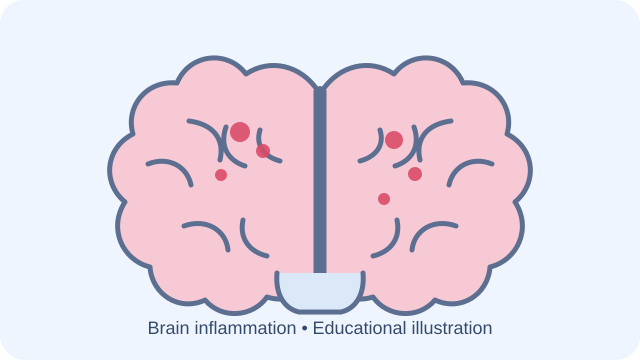
It is an acute inflammation of the brain. This is mostly caused by viral infection and can cause severe problems to the nervous system. Encephalitis is more serious than meningitis. Encephalitis with meningitis is called as meningoencephalitis.
There are two types:
- Primary encephalitis occurs due to virus.
- Secondary encephalitis occurs first somewhere else in the body and finally spreads to the brain.
DEFINITION
An inflammation of brain parenchyma or brain tissue is known as
Encephalitis.
CAUSES
- Lead, arsenic or carbon monoxide toxicity.
- Infection, e.g., typhoid fever, measles, chickenpox.
- Autoimmune.
-
Viral:
- Arbovirus
- Herpes simplex
- Rabies virus
CLINICAL MANIFESTATIONS
Fever
Confusion
Aphasia
Involuntary movement
Nausea
Stiffness of neck
Neurological deficit
Motor weakness
Memory loss
Seizures
Stupor and coma
Motor involvement
Headache
Vomiting
Photophobia
Increased ICP may cause unconsciousness
Bizarre behaviour
Ataxia
DIAGNOSTIC EVALUATIONS
- Physical examination
- By MRI
- LP (Lumbar Puncture) to evaluate CSF
- Brain biopsy
- EEG
MANAGEMENT
Medical Management
- Antiviral drug – Acyclovir IV.
- Diuretics to reduce ICP.
- Anticonvulsant for seizures.
Nursing Management
- Maintain adequate fluid intake to prevent dehydration, but avoid fluid overload, that may increase cerebral edema.
- Maintain adequate nutrition. Give small, frequent meals or supplement meals with nasogastric tube or parenteral feedings.
- To prevent constipation and minimize the risk of increased ICP resulting from straining at stool, provide a mild laxative or stool softener.
- Provide comfortable position to patient.
- Provide mouth care frequently.
- Maintain a quiet environment. Darkening the room may decrease headache.
- During seizures, take precautions to protect him from injury.
- Monitor and record intake and output.
- If the patient becomes delirious or confused, try to reorient him often.
- Teach the patient and his family about the disease and its effects.
NURSING INTERVENTION
- Provide psychotherapy.
- To protect from injury.
- Other general care which are required in neurological disease.
NURSING DIAGNOSIS
- Risk for injury related to seizures.
- Disturbed thought process related to personality changes.